When Games Inspire Creativity: How Gaming Unlocks Imagination and Innovation
When Games Inspire Creativity: How Gaming Unlocks Imagination and Innovation
In today’s digital world, games are no longer just a source of entertainment — they are powerful tools for creativity, expression, and innovation. The idea that gaming is purely about fun has evolved dramatically. Now, games are shaping how people think, create, and even solve real-world problems. From immersive storytelling to open-world building, games have become a playground for the imagination.
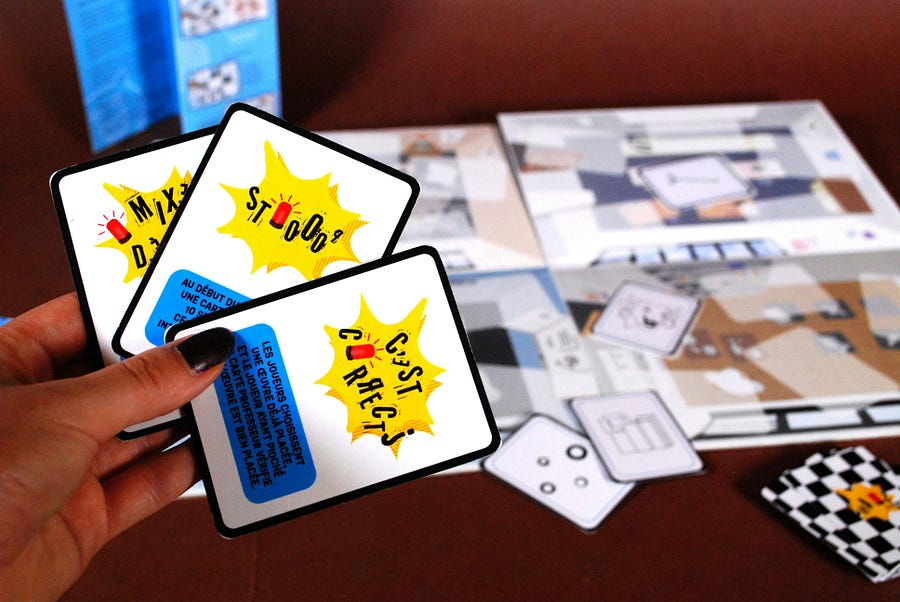
When games inspire creativity, they do more than engage players — they transform them into creators, storytellers, and problem-solvers. This shift is redefining how we view gaming and its impact on individuals of all ages.
The Connection Between Gaming and Creativity
Creativity is the ability to think beyond limits, explore new ideas, and express unique perspectives. Games naturally encourage this because they place players in environments where experimentation is not only allowed but rewarded.
Unlike traditional forms of media such as movies or books, games are interactive. Players don’t just watch a story unfold — they participate in it. This interaction sparks creative thinking as players make decisions, explore possibilities, and shape outcomes.
Whether it’s choosing a strategy, customizing a character, or building an entire world, games constantly challenge players to think differently. This active engagement is what makes gaming such a powerful creative outlet.
Open-World Games and Unlimited Imagination
One of the biggest ways games inspire creativity is through open-world design. These games give players the freedom to explore vast environments and interact with them in countless ways.
In open-world settings, there are no strict paths or limitations. Players can create their own adventures, experiment with different approaches, and discover hidden possibilities. This freedom encourages curiosity and innovation.
Games that allow building, crafting, or designing take this even further. Players can construct cities, design landscapes, or create unique structures using their imagination. These experiences mirror real-life creative processes like architecture, art, and design.
Storytelling and Narrative Creativity
Games are also powerful storytelling tools. Many modern games feature deep narratives, complex characters, and emotional journeys. But what makes games unique is that players often influence the story.
This interactive storytelling allows players to explore different outcomes, make moral decisions, and create their own versions of the narrative. In doing so, they become co-authors of the story.
This inspires creative writing, character development, and emotional expression. Players often take these experiences beyond the game, creating fan fiction, artwork, or even their own stories inspired by what they’ve played.
Problem-Solving as a Creative Skill
Creativity isn’t just about art — it’s also about solving problems in new and innovative ways. Games are filled with challenges that require players to think critically and adapt quickly.
Puzzle games, strategy games, and adventure games all push players to find solutions. Often, there is no single “correct” answer, which encourages experimentation and creative thinking.
Players learn to approach problems from different angles, test ideas, and refine their strategies. This mindset carries over into real life, helping individuals become more innovative thinkers.
Game Design: From Player to Creator
One of the most exciting developments in gaming is the rise of user-generated content. Many games now allow players to create their own levels, characters, and even entire games.
This turns players into creators. Instead of just consuming content, they actively contribute to it. This process involves creativity, planning, and technical skills.
Designing a game level, for example, requires thinking about layout, difficulty, and player experience. It’s a creative challenge that blends art and logic.
As a result, many players develop skills that can lead to careers in game development, design, and digital art.
Visual and Artistic Inspiration
Games are visually rich environments filled with detailed worlds, unique art styles, and stunning designs. These visuals often inspire players to explore their own artistic abilities.
From sketching characters to creating digital art, many players use games as inspiration for their creative projects. The diversity of game design — from realistic graphics to stylized animations — offers endless sources of inspiration.
Even music and sound design in games can spark creativity. Memorable soundtracks and immersive audio experiences often inspire players to create their own music or explore sound design.
Social Creativity and Collaboration
Gaming is no longer a solo activity. Online multiplayer games and creative platforms allow players to collaborate, share ideas, and build together.
This social aspect enhances creativity by exposing players to different perspectives and styles. Working with others encourages teamwork, communication, and the exchange of ideas.
Collaborative creativity often leads to more innovative outcomes, as players combine their skills and imagination to create something unique.
Games as a Safe Space for Experimentation
One of the reasons games are so effective at inspiring creativity is that they provide a safe environment for experimentation.
In a game, failure is not permanent. Players can try new ideas, make mistakes, and learn without real-world consequences. This freedom reduces fear and encourages risk-taking.
When people feel safe to experiment, they are more likely to think creatively and explore unconventional ideas. Games create this environment naturally.
The Role of Technology in Creative Gaming
Advancements in technology have expanded the creative potential of games. Virtual reality, augmented reality, and advanced game engines allow for more immersive and interactive experiences.
These technologies enable players to engage with games in new ways, further enhancing creativity. For example, virtual reality can place players inside a world where they can design and interact with their creations in real time.
As technology continues to evolve, the possibilities for creative gaming will only grow.
Educational Benefits of Creative Gaming
Games are increasingly being used as educational tools because of their ability to engage and inspire creativity.
Educational games combine learning with interactive experiences, making subjects more engaging and easier to understand. Students can explore concepts, solve problems, and create projects within a game environment.
This approach not only improves learning outcomes but also encourages creative thinking, which is essential for success in many fields.
Real-World Impact of Gaming Creativity
The creativity inspired by games doesn’t stay in the virtual world — it often extends into real life.
Many artists, designers, and developers credit games as a major influence on their careers. The skills developed through gaming — such as problem-solving, design thinking, and storytelling — are valuable in various industries.
Games also inspire innovation by encouraging players to think outside the box. This mindset can lead to new ideas and solutions in fields ranging from technology to business.
Overcoming Misconceptions About Gaming
Despite its benefits, gaming is sometimes viewed negatively, often associated with distraction or lack of productivity. However, this perspective overlooks the creative potential of games.
When approached mindfully, gaming can be a powerful tool for personal growth and creative development. It’s not just about playing — it’s about thinking, creating, and exploring.
Understanding this can help shift the narrative around gaming and highlight its positive impact.
Tips to Use Gaming for Creativity
To fully benefit from the creative potential of games, players can take a more intentional approach:
- Explore games that encourage building and design
- Experiment with different play styles and strategies
- Engage with creative communities and share ideas
- Try creating content inspired by games
- Reflect on in-game experiences and apply them to real life
By doing this, gaming becomes more than just entertainment — it becomes a creative journey.
The Future of Creativity in Gaming
The future of gaming is deeply connected to creativity. As games become more advanced and accessible, they will continue to inspire new forms of expression and innovation.
With the rise of user-generated content, virtual worlds, and immersive technologies, players will have even more opportunities to create and share their ideas.
Gaming is evolving into a platform where creativity knows no limits.
When games inspire creativity, they unlock something powerful within players — the ability to imagine, create, and innovate. They transform passive entertainment into active participation, turning players into thinkers and creators.
From storytelling and design to problem-solving and collaboration, games offer endless opportunities for creative expression. They challenge the mind, spark new ideas, and open doors to new possibilities.
In a world that values innovation and creativity, gaming is no longer just a pastime — it’s a tool for growth, exploration, and inspiration. Whether you’re building worlds, solving puzzles, or crafting stories, games have the power to bring your creativity to life.


Comments
Post a Comment