The Rise of Casual Gaming in a Busy World
The Rise of Casual Gaming in a Busy World
In today’s fast-paced digital era, time has become one of the most valuable resources people have. Between work, school, side hustles, and personal responsibilities, finding long hours for entertainment can be difficult. This shift in lifestyle has given birth to a powerful trend in the gaming industry casual gaming.
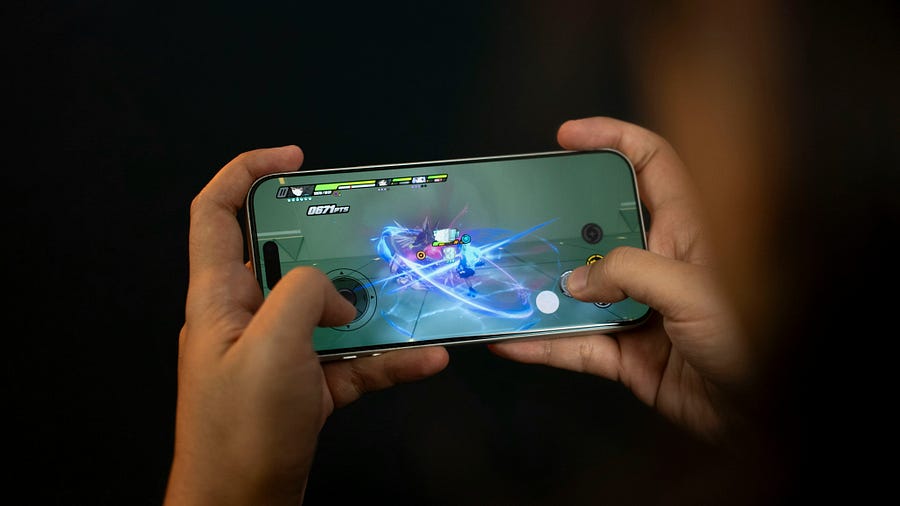
Casual gaming is no longer just a side category; it has grown into a global phenomenon. From quick mobile puzzles to short multiplayer matches, casual games are reshaping how people experience entertainment. They are easy to access, simple to play, and perfectly designed for modern, busy lives.
What is Casual Gaming?
Casual gaming refers to video games that are easy to learn, require minimal time commitment, and can be played in short sessions. Unlike traditional or “hardcore” games that demand hours of focus, casual games are built for convenience.
These games typically feature:
- Simple controls
- Short gameplay sessions
- Easy-to-understand objectives
- Minimal learning curve
Examples include puzzle games, endless runners, simulation games, and mini-game collections. The goal is simple: deliver quick fun without stress.
Why Casual Gaming is Growing Rapidly
1. Busy Lifestyles Demand Quick Entertainment
Modern life is busier than ever. People are constantly juggling responsibilities, leaving little room for long gaming sessions. Casual games fit perfectly into this lifestyle.
You can play:
- While waiting in line
- During short breaks at work
- While commuting
- Before going to bed
This flexibility makes casual gaming incredibly appealing. It turns small moments into enjoyable experiences.
2. Mobile Devices Made Gaming Accessible
The rise of smartphones has played a major role in the growth of casual gaming. Almost everyone has a mobile device, and that device can instantly become a gaming console.
Unlike traditional gaming setups that require consoles or high-end PCs, casual games are:
- Easily downloadable
- Often free or low-cost
- Playable anytime, anywhere
This accessibility has opened gaming to millions of new players who never considered themselves “gamers” before.
3. Low Barrier to Entry
Casual games are designed for everyone. You don’t need prior experience, special skills, or expensive equipment to get started.
This inclusivity attracts:
- Beginners
- Older adults
- Kids
- Non-gamers
By removing complexity, casual gaming creates a welcoming environment where anyone can participate.
4. Stress Relief and Mental Relaxation
In a world filled with pressure and constant activity, people are actively seeking ways to relax. Casual games provide a quick escape.
They help:
- Reduce stress
- Improve mood
- Provide a sense of achievement
- Offer light mental stimulation
Unlike competitive or intense games, casual games focus more on enjoyment than pressure.
5. Short Attention Spans and Instant Gratification
With the rise of social media and fast content consumption, attention spans are shorter than ever. Casual games align perfectly with this trend.
They offer:
- Quick rewards
- Instant feedback
- Fast progression
Players don’t have to wait hours to feel accomplished. Even a 2-minute session can feel satisfying.
Types of Casual Games Dominating the Market
Puzzle Games
These games challenge the brain while remaining simple and engaging. They are perfect for quick thinking and problem-solving.
Endless Runner Games
Fast-paced and addictive, these games test reflexes and timing as players try to beat high scores.
Simulation Games
From farming to city-building, these games allow players to create and manage virtual worlds at their own pace.
Mini-Game Collections
Games that combine multiple small challenges into one platform are becoming increasingly popular due to their variety.
Social Casual Games
Multiplayer casual games allow players to connect, compete, and interact with friends, adding a social element to quick gameplay.
The Role of Casual Gaming in Modern Culture
Casual gaming is no longer just a hobby — it has become part of everyday life. It influences how people relax, socialize, and even think.
1. Gaming for Everyone
Casual gaming has removed the stereotype that gaming is only for a specific group. Today, people of all ages and backgrounds play games regularly.
2. Social Connection
Many casual games include features like leaderboards, friend challenges, and online multiplayer modes. These features help people stay connected and engaged.
3. Content Creation and Monetization
Casual gaming has also created opportunities for content creators. Short, engaging gameplay clips perform well on platforms like TikTok and Instagram, making it easier to build an audience.
The Business Side of Casual Gaming
The rise of casual gaming has also transformed the gaming industry financially.
1. Free-to-Play Model
Many casual games are free to download, generating revenue through:
- Ads
- In-app purchases
- Premium features
This model allows developers to reach a larger audience.
2. High User Engagement
Because casual games are easy to play and highly addictive, users tend to return frequently. This increases retention and overall revenue.
3. Global Reach
Casual games are not limited by language or culture. Their simplicity makes them universally appealing, allowing developers to target a global audience.
Challenges Facing Casual Gaming
Despite its growth, casual gaming also faces challenges:
1. Market Saturation
With thousands of games available, standing out can be difficult for developers.
2. User Retention
Keeping players engaged over time requires constant updates and innovation.
3. Monetization Balance
Too many ads or aggressive monetization strategies can drive users away.
The Future of Casual Gaming
The future of casual gaming looks incredibly promising. As technology continues to evolve, so will the gaming experience.
1. Improved Graphics and Experience
Even casual games are becoming more visually appealing and immersive.
2. Integration with Social Platforms
Gaming and social media will continue to merge, creating more interactive and shareable experiences.
3. Personalized Gaming
AI and data analytics will allow games to adapt to individual player preferences.
4. Cross-Platform Play
Players will be able to switch seamlessly between devices without losing progress.
Why Casual Gaming is Here to Stay
Casual gaming isn’t just a trend — it’s a response to how people live today. As life becomes busier, the demand for quick, accessible entertainment will continue to grow.
It offers:
- Flexibility
- Convenience
- Instant enjoyment
- Wide accessibility
These factors make casual gaming a permanent part of the entertainment landscape.
The rise of casual gaming in a busy world reflects a major shift in how people consume entertainment. It proves that fun doesn’t have to be complicated or time-consuming. Sometimes, the simplest experiences bring the greatest joy.
As technology advances and lifestyles continue to evolve, casual gaming will only become more important. Whether you’re looking to relax, pass time, or enjoy quick challenges, casual games provide the perfect solution.
In a world where every second counts, casual gaming reminds us that even the smallest moments can be filled with fun.


Comments
Post a Comment