Games That Bring People Together: The Ultimate Guide to Fun, Connection, and Lasting Memories
Games That Bring People Together: The Ultimate Guide to Fun, Connection, and Lasting Memories
In today’s fast-paced digital world, finding meaningful ways to connect with others has become more important than ever. Whether it’s family bonding, hanging out with friends, or meeting new people, one timeless solution continues to stand out — games.
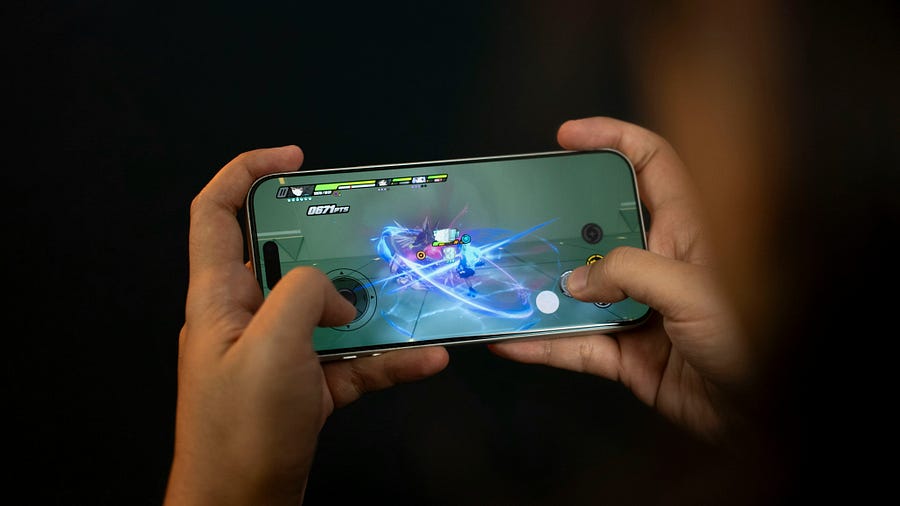
Games are more than just entertainment. They create laughter, build relationships, and strengthen emotional connections. From classic board games to modern mobile apps, games have the power to unite people across different ages, cultures, and backgrounds.
Why Games Bring People Together
1. They Break Social Barriers
Games naturally remove awkwardness. Whether you’re meeting someone new or reconnecting with old friends, games create a relaxed environment where conversations flow easily.
2. They Encourage Teamwork
Many games require collaboration, helping players learn how to communicate, solve problems, and work toward a common goal.
3. They Create Shared Experiences
Winning, losing, laughing — these shared emotions create strong memories that bond people together.
4. They Promote Healthy Competition
Friendly competition adds excitement without damaging relationships. It pushes people to engage while still having fun.
Types of Games That Bring People Together
1. Board Games
Board games are one of the oldest and most effective ways to connect people.
Popular Examples:
- Monopoly
- Scrabble
- Ludo
- Chess
Why They Work:
Board games require face-to-face interaction, encouraging communication and laughter. They’re perfect for family nights or small gatherings.
2. Party Games
Party games are designed for groups and are perfect for social events.
Examples:
- Truth or Dare
- Charades
- Would You Rather
Why They Work:
They are simple, interactive, and often hilarious. These games bring out people’s personalities and create instant connections.
3. Card Games
Card games are easy to set up and can be played anywhere.
Examples:
- Uno
- Poker
- Whot
Why They Work:
They’re quick to learn and allow continuous interaction, making them ideal for both small and large groups.
4. Video Games & Mobile Games
Modern gaming has made it easier than ever to connect, even from different locations.
Examples:
- Multiplayer mobile games
- Online co-op games
- Casual mini-game apps
Why They Work:
They connect people virtually, allowing friends and family to play together regardless of distance.
5. Outdoor & Physical Games
Physical games add energy and excitement to social gatherings.
Examples:
- Football
- Tag games
- Relay races
Why They Work:
They combine fun with physical activity, boosting mood and creating energetic group experiences.
6. Icebreaker Games
Perfect for meetings, classrooms, or networking events.
Examples:
- Two Truths and a Lie
- Name games
- Quick quiz challenges
Why They Work:
They help people open up quickly and feel comfortable in new environments.
Benefits of Playing Games Together
1. Strengthens Relationships
Spending time playing games builds trust and emotional connection.
2. Improves Communication Skills
Games require interaction, helping players express themselves better.
3. Reduces Stress
Laughter and fun help reduce anxiety and improve mental health.
4. Boosts Creativity and Thinking
Strategy games and puzzles improve problem-solving skills.
5. Encourages Inclusivity
Games can include people of different ages and backgrounds, making everyone feel involved.
How to Choose the Right Game for Any Occasion
1. Consider the Group Size
- Small group → Card or board games
- Large group → Party games
2. Know Your Audience
- Kids → Simple and colorful games
- Adults → Strategy or competitive games
3. Set the Mood
- Relaxed → Casual games
- Energetic → Physical or fast-paced games
4. Keep It Simple
Choose games that are easy to understand so everyone can join quickly.
Tips for Making Game Time More Fun
- Create a Comfortable Environment: Good seating and space matter
- Encourage Participation: Make sure no one feels left out
- Keep It Light: Focus on fun, not just winning
- Switch Games Often: Variety keeps things exciting
- Add Rewards: Small prizes can boost engagement
The Role of Technology in Social Gaming
Technology has transformed how people play games together.
Online Multiplayer Gaming
Friends can now connect from different locations and still enjoy shared experiences.
Mobile Gaming Apps
Quick mini-games allow people to play anytime, anywhere.
Social Media Challenges
Games and challenges on platforms like TikTok and Instagram bring millions together globally.
Games for Different Occasions
Family Gatherings
- Board games
- Card games
Friends Hangout
- Party games
- Mobile games
Date Nights
- Puzzle games
- Light strategy games
Team Building Events
- Icebreakers
- Group challenges
How Games Build Long-Term Connections
Games are not just about the moment — they create lasting memories. The laughter shared during a game night or the excitement of a close match stays with people for years.
They also help people:
- Understand each other better
- Build trust
- Strengthen emotional bonds
The Future of Social Gaming
The gaming world continues to evolve, bringing even more ways for people to connect.
Trends to Watch:
- Virtual Reality (VR) games
- Augmented Reality (AR) experiences
- More interactive multiplayer apps
These innovations will make gaming even more immersive and social.
Games have always been a powerful way to bring people together — and they always will be. Whether you’re playing a simple card game, an intense strategy match, or a fun mobile mini-game, the goal remains the same: connection.
In a world where people are often busy or distracted, games provide a simple yet powerful way to pause, interact, and create meaningful moments.
So the next time you’re looking to bond with family, connect with friends, or break the ice with new people, remember this
a simple game can create unforgettable memories.


Comments
Post a Comment