How to Learn a New Game Quickly
The Ultimate Guide to Mastering Any Game Faster
Learning a new game can feel overwhelming, especially when you’re faced with unfamiliar controls, complex mechanics, and experienced players who seem miles ahead. Whether you’re diving into a fast-paced shooter, a strategy-based board game, or a competitive online multiplayer experience, knowing how to learn a new game quickly can give you a powerful advantage.
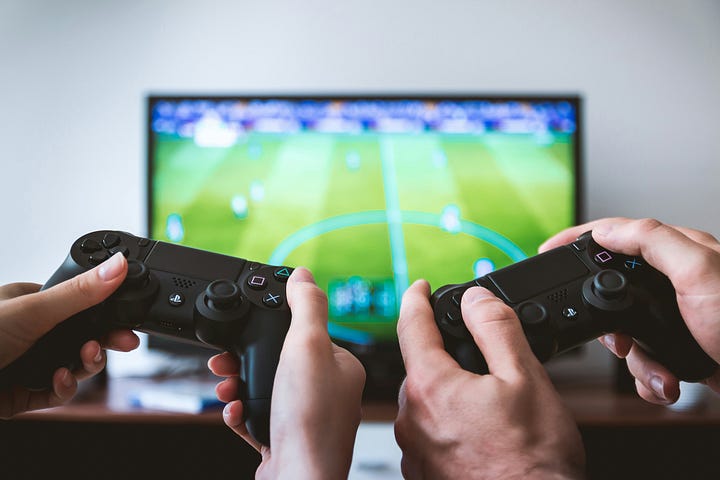
The good news? You don’t need months of practice to get good. With the right approach, mindset, and strategy, you can understand core mechanics, improve your skills, and start winning faster than most beginners. In this complete guide, you’ll discover proven techniques that will help you master any new game efficiently and confidently.
Understand the Game’s Objective First
The fastest way to learn a new game is to understand its main objective. Before focusing on advanced techniques, ask yourself:
- What is the win condition?
- How do players score points?
- What causes a loss?
Many beginners make the mistake of jumping into gameplay without fully understanding what they’re trying to achieve. If you know the primary goal, every action you take becomes purposeful.
For example, in strategy games, controlling resources may be more important than direct combat. In racing games, consistency may matter more than speed. When you clearly understand the objective, your learning process becomes structured and focused.
Start With the Tutorial (But Don’t Rely on It Completely)
Most modern games include tutorials designed to introduce controls and mechanics. Don’t skip them. Tutorials provide a foundation and help you avoid common beginner mistakes.
However, tutorials only teach basics. Real learning happens during actual gameplay. Once you complete the tutorial, jump into practice mode or low-stakes matches to apply what you’ve learned.
Learning by doing accelerates improvement far more than passive instruction.
Break the Game Into Small Parts
Trying to learn everything at once slows you down. Instead, break the game into smaller components:
- Controls and movement
- Core mechanics
- Scoring system
- Strategy and positioning
- Advanced techniques
Focus on mastering one area at a time. When you simplify the learning process, your brain absorbs information more effectively.
For example, if you’re learning a fighting game, first master movement and blocking before attempting advanced combos. Step-by-step improvement builds confidence and skill faster.
Watch Experienced Players
One of the fastest ways to learn a new game quickly is by observing skilled players. Watching gameplay videos, live streams, or competitive matches helps you:
- Understand strategies
- Learn positioning
- Discover shortcuts
- Avoid beginner mistakes
Pay attention to decision-making, not just flashy moves. Ask yourself why they made a specific choice. This builds strategic awareness much faster than random practice.
If possible, watch tutorials from top players who explain their thought process. Learning how experts think is a shortcut to improvement.
Practice With Purpose
Random practice leads to slow progress. Purposeful practice leads to rapid growth.
Instead of just playing repeatedly, focus on improving one skill at a time. For example:
- Spend one session focusing on accuracy.
- Another session improving reaction time.
- Another mastering map awareness.
Set small goals for each session. Purpose-driven practice accelerates learning because it eliminates wasted effort.
Learn the Meta and Core Strategies
Every competitive game has a “meta” — the most effective strategies, characters, or tactics currently dominating gameplay.
Understanding the meta helps you avoid weak strategies and focus on what actually works. Research online forums, guides, and community discussions to see what top players recommend.
However, don’t blindly copy everything. Adapt strategies to your playstyle while staying aware of what’s effective.
Play Against Better Players
It may feel intimidating, but playing against stronger opponents helps you improve faster. When you compete with skilled players, you:
- Identify your weaknesses
- Learn advanced techniques
- Improve decision-making under pressure
Losing is part of the learning process. Instead of feeling discouraged, analyze why you lost. Each defeat contains valuable lessons.
Growth happens outside your comfort zone.
Use Repetition to Build Muscle Memory
Learning a new game quickly requires consistency. Repetition builds muscle memory, which improves reaction time and reduces mistakes.
If the game involves precise controls, spend time repeating specific movements until they feel automatic. When actions become instinctive, you can focus more on strategy rather than mechanics.
Muscle memory transforms beginners into confident players.
Study Game Mechanics Deeply
Many players stay average because they only understand surface-level gameplay. To truly learn a new game quickly, study deeper mechanics:
- Damage calculations
- Cooldown timings
- Resource management
- Character strengths and weaknesses
Understanding how systems interact gives you a major competitive edge.
Knowledge reduces guesswork.
Customize Your Settings
Improving performance can speed up learning. Adjust settings such as:
- Sensitivity
- Graphics quality
- Key bindings
- Audio settings
Comfortable settings enhance control and awareness. When your setup feels natural, your learning curve becomes smoother.
Small adjustments can make a big difference in performance.
Take Notes and Reflect
After each gaming session, reflect on what you learned. Ask yourself:
- What worked well?
- What mistakes did I make?
- What can I improve next time?
Writing down observations helps reinforce lessons. Self-awareness is a powerful tool for rapid improvement.
Learning without reflection slows progress.
Avoid Information Overload
Trying to learn advanced tactics too early can overwhelm you. Focus on fundamentals first. Mastering basics creates a strong foundation for advanced strategies later.
Many players rush into high-level techniques without understanding core mechanics. This leads to confusion and frustration.
Keep learning structured and manageable.
Stay Patient and Consistent
Even if your goal is to learn a new game quickly, improvement still requires patience. Consistency beats intensity. Playing 30–60 focused minutes daily is more effective than one long, exhausting session per week.
Skill development is gradual. Trust the process.
Join the Game Community
Online communities can speed up learning significantly. Forums, Discord groups, and social media platforms provide:
- Tips and tricks
- Strategy discussions
- Patch updates
- Gameplay analysis
Engaging with other players exposes you to different perspectives and solutions.
Community learning multiplies progress.
Use Practice Modes and Training Tools
Many games include training modes where you can experiment without pressure. Use these tools to:
- Test strategies
- Learn combos
- Practice timing
- Explore mechanics
Training modes eliminate the fear of losing and encourage experimentation.
Experimentation accelerates mastery.
Learn From Your Mistakes
Every mistake is a lesson. Instead of blaming teammates, lag, or bad luck, analyze your own decisions.
Ask:
- Was my positioning wrong?
- Did I react too slowly?
- Did I make a risky decision?
Self-accountability dramatically speeds up improvement.
Maintain a Growth Mindset
Believing you can improve makes a huge difference. Players with a growth mindset:
- Embrace challenges
- Learn from feedback
- Stay motivated after losses
Confidence fuels faster learning.
When you believe improvement is possible, your brain becomes more open to absorbing new information.
Focus on Core Skills That Apply Across Games
Certain skills are universal across many games:
- Reaction time
- Map awareness
- Resource management
- Strategic thinking
- Communication
Improving these general skills helps you learn future games even faster.
Master the fundamentals, and every new game becomes easier to understand.
Manage Your Time Effectively
To learn a new game quickly, structure your sessions:
- Warm-up (10–15 minutes)
- Focused practice (20–30 minutes)
- Competitive matches (20–30 minutes)
- Reflection and review
Organized sessions maximize learning efficiency.
Random play wastes potential improvement time.
Stay Physically and Mentally Ready
Your performance depends on your physical and mental state. Get enough sleep, stay hydrated, and avoid playing when extremely tired.
A sharp mind learns faster.
Taking short breaks during long sessions prevents burnout and keeps focus strong.
Track Your Progress
Improvement feels motivating when you can see it. Track:
- Win rate
- Accuracy percentage
- Reaction improvements
- Ranking progression
Measuring growth keeps you inspired and focused.
Small improvements add up quickly.
Don’t Compare Yourself Too Much
Comparing yourself to experienced players too early can damage confidence. Instead, compare your current performance to your past self.
Progress is personal.
Focus on improvement, not perfection.
Master Any Game Faster Than Ever
Learning a new game quickly is not about shortcuts or luck. It’s about smart strategies, structured practice, and consistent effort. By understanding objectives, practicing with purpose, studying mechanics, and maintaining a growth mindset, you can dramatically reduce your learning curve.
Every expert player was once a beginner. The difference is how they approached improvement.
Apply the strategies in this guide, stay disciplined, and you’ll notice significant progress in less time than you expect. Whether you’re playing casually or aiming for competitive excellence, mastering a new game quickly is completely achievable.
Start smart. Practice with purpose. Reflect often. Stay consistent.
And most importantly — enjoy the journey of becoming better every single day.


Comments
Post a Comment